
Every child grows and develops at their own pace. However, regular monitoring of physical growth, learning, communication, behaviour, and social skills is important to understand whether development is progressing as expected. Growth and development care focuses on identifying a child's strengths, recognising concerns early, and supporting healthy progress through appropriate guidance and intervention.
Dr. Nayantara Reddy provides comprehensive developmental care for babies, toddlers, children, and adolescents. Her approach combines careful assessment with practical advice for parents, helping families understand their child's development and take timely steps whenever additional support is needed.
UNDERSTANDING CHILD GROWTH AND DEVELOPMENT
Growth refers mainly to measurable physical changes such as height, weight, and head size. Development describes how a child gradually acquires abilities such as sitting, walking, talking, learning, playing, interacting with others, and becoming more independent.
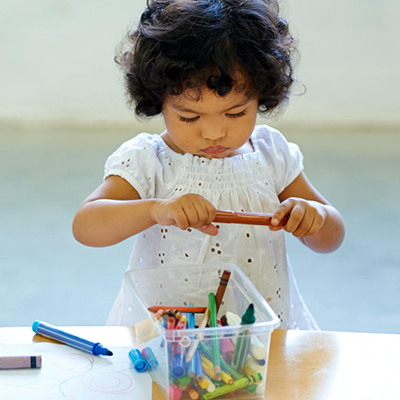
These areas are closely connected but are not exactly the same. A child may have healthy physical growth while experiencing difficulty with speech or social interaction. Similarly, a child may develop certain skills later than expected without having a serious underlying problem. Professional assessment helps distinguish normal individual variation from concerns that may require further attention.
Families looking for a child development center in Manikonda can benefit from structured developmental monitoring that considers the child's age, medical history, family background, environment, and individual abilities.
WHY DEVELOPMENTAL MONITORING MATTERS
Developmental monitoring should begin early and continue throughout childhood. Regular assessments allow parents and doctors to observe changes over time instead of relying on a single observation.
A child growth specialist in Hyderabad may assess physical growth along with nutrition, sleep, motor skills, communication, learning, emotional development, and social behaviour. Growth measurements are usually compared with appropriate growth charts to understand the child's pattern rather than focusing only on one number.
Developmental assessment may become especially important when parents, teachers, or caregivers notice that a child is struggling with skills that are expected for their age. Early discussion does not necessarily mean that a child has a developmental disorder. It provides an opportunity to understand what is happening and decide whether further evaluation is appropriate.
AREAS COVERED DURING ASSESSMENT
A complete developmental evaluation looks at several areas of a child's health and functioning. The assessment is adapted according to age and individual concerns.
Key areas may include:
- Physical growth, including height, weight, and head circumference where appropriate
- Gross motor skills such as sitting, standing, walking, running, and coordination
- Fine motor skills involving hand movements, drawing, writing, and using objects
- Speech, language, understanding, and communication
- Learning, attention, memory, and problem-solving abilities
- Social interaction, play, emotional responses, and behaviour
Parents may also receive guidance about nutrition, sleep routines, screen exposure, school readiness, and activities that encourage age-appropriate learning.
RECOGNISING DEVELOPMENTAL DELAYS
Children do not all achieve milestones on the same day. Some may walk, speak, or develop particular skills slightly earlier or later than their peers. What matters is the overall developmental pattern and whether the child is continuing to make progress.
A developmental delay means that a child is taking longer than expected to acquire one or more skills. Delays can affect speech, movement, learning, social interaction, or several areas at the same time. Possible contributing factors vary considerably and may include hearing or vision difficulties, nutritional problems, neurological conditions, genetic factors, environmental influences, or other medical concerns.
A child development clinic in Narsingi can provide a suitable setting for discussing developmental concerns and deciding whether detailed evaluation or specialist input is required.
WHEN PARENTS SHOULD SEEK PROFESSIONAL ADVICE
Parents often notice developmental differences before anyone else. Their observations are valuable because they see the child's behaviour and abilities across different situations.
Professional advice may be useful when a child:
- Is not achieving expected developmental skills or appears to stop progressing
- Has difficulty communicating needs or understanding simple instructions
- Shows persistent problems with movement, coordination, attention, or learning
- Has difficulty interacting or playing with others
- Experiences significant behavioural or emotional challenges
- Has concerns related to feeding, sleep, school performance, or daily activities
A concern does not automatically indicate a serious condition. A detailed evaluation helps identify the child's needs without making assumptions based only on one symptom.
SUPPORTING HEALTHY DEVELOPMENT AT HOME
Parents play a central role in a child's development. Everyday activities provide valuable opportunities for children to learn, communicate, explore, and build confidence.
A growth clinic for kids in Manikonda can also guide parents on simple ways to encourage healthy development at home. Talking with children, reading together, playing age-appropriate games, encouraging physical activity, maintaining predictable routines, and providing opportunities for independent tasks can all support learning and development.
Limiting unnecessary screen exposure and protecting adequate sleep are also important. Children benefit from opportunities to interact with family members, play actively, explore their surroundings, and practise communication and problem-solving skills.
NUTRITION AND PHYSICAL GROWTH
Good nutrition provides the foundation for healthy physical growth. Children need an age-appropriate balance of energy, protein, vitamins, minerals, and other nutrients. Appetite can change considerably during childhood, so parents may sometimes worry that their child is not eating enough.
Growth should be assessed over time rather than judged only by appetite or appearance. If weight gain, height progression, or nutritional intake appears concerning, professional evaluation can help identify possible reasons and provide practical dietary guidance.
A children growth development hospital in Narsingi may coordinate growth assessment with evaluation of nutrition, development, and other health factors when concerns overlap.
DEVELOPMENTAL ASSESSMENT AND SPECIALIST CARE
When developmental concerns are identified, the next step depends on the child's individual situation. Some children may simply need continued monitoring and guidance. Others may benefit from hearing or vision assessment, nutritional support, psychological evaluation, speech and language assessment, occupational therapy, physiotherapy, or other specialist services.
A developmental pediatric hospital in Hyderabad can offer a coordinated approach when a child requires assessment across multiple areas. The goal is not simply to identify a developmental difference but to understand the child's abilities, challenges, and support requirements.
A CHILD-CENTRED APPROACH
Every developmental assessment should begin with the child as an individual. Dr. Nayantara Reddy takes time to understand the child's medical history, developmental journey, family concerns, daily routines, and school experiences.
Families seeking the best child development center in Manikonda often need more than a single assessment. Ongoing communication helps parents understand progress and make appropriate adjustments as their child grows.
The evaluation process may include detailed history-taking, physical examination, developmental observation, growth measurements, and age-appropriate screening tools. Additional investigations or referrals are recommended only when clinically appropriate.
EARLY SUPPORT CAN MAKE A DIFFERENCE
Identifying developmental concerns early can help families understand what support may be useful. Early intervention does not mean placing unnecessary pressure on a child. Instead, it provides structured opportunities to develop skills according to the child's individual needs.
A developmental pediatrician in Hyderabad may work with parents and other professionals to create an appropriate care plan. Progress can then be reviewed periodically, allowing support to change as the child's abilities and needs evolve.
Some families may search online for children developmental delay therapys, but the right intervention depends on the child's specific developmental profile. Professional assessment should come before choosing therapies, because not every child needs the same type or intensity of support.
BUILDING CONFIDENCE FOR THE FUTURE
Growth and development care is ultimately about helping children reach their potential while respecting their individual pace. Regular monitoring, healthy routines, supportive parenting, appropriate education, and timely professional guidance can create a strong foundation for childhood development.
Parents should feel comfortable discussing concerns, even when they are unsure whether something is significant. Asking questions early can provide reassurance when development is progressing normally and can also help identify children who may benefit from additional support.
If you have concerns about your child's growth, milestones, learning, communication, or behaviour, schedule a developmental consultation with Dr. Nayantara Reddy for personalised guidance and child-focused care.
Frequently Asked Questions (FAQs)
1. What is the difference between growth and development?
Growth mainly refers to physical changes such as height and weight. Development refers to the acquisition of skills involving movement, communication, learning, behaviour, and social interaction.
2. How often should my child's growth be monitored?
Growth is generally monitored during routine pediatric visits. The frequency may vary according to the child's age, health, growth pattern, and any existing concerns.
3. Is late talking always a sign of a developmental problem?
Not necessarily. Children develop language at different rates. However, persistent communication concerns should be discussed with a pediatric professional so that hearing, language, and overall development can be appropriately assessed.
4. Can parents support development at home?
Yes. Reading, talking, playing, encouraging physical activity, maintaining healthy routines, and giving children opportunities to explore and become independent can support development.
5. What should I do if my child loses a skill they previously had?
Loss of a previously acquired skill should be discussed with a pediatric professional promptly. The doctor can assess the child and determine whether further evaluation is needed.