
Allergies are common in children and can affect the skin, nose, eyes, lungs, digestive system, or several parts of the body at the same time. An allergic reaction occurs when the immune system responds strongly to a substance that is usually harmless to most people. These substances are called allergens.
Children may develop allergies to foods, dust, pollen, animal dander, insect stings, medicines, or other environmental triggers. Symptoms can range from mild irritation to severe reactions that require urgent medical attention.
Dr. Nayantara Reddy provides child-focused allergy care with an emphasis on identifying possible triggers, understanding symptoms, managing reactions, and helping families reduce avoidable exposure. Parents searching for the best pediatric allergy specialist in Hyderabad can seek an individual assessment rather than relying on assumptions about the cause of recurring symptoms.
UNDERSTANDING CHILDHOOD ALLERGIES
An allergy can appear differently from one child to another. Some children develop sneezing and a blocked or runny nose, while others may experience itchy skin, rashes, swelling, coughing, wheezing, vomiting, or abdominal discomfort.
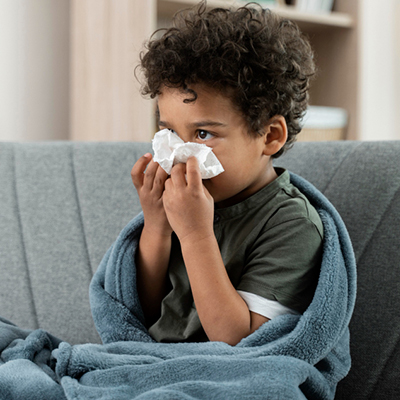
Allergy symptoms may sometimes resemble infections or other childhood conditions. For example, repeated sneezing may be caused by allergic rhinitis, but it can also occur during a viral infection. Similarly, a skin rash may have several possible causes. Careful evaluation is therefore important before identifying a particular trigger.
The child's age, symptoms, medical history, family history, timing of reactions, and possible exposure to allergens can all provide useful information during assessment.
COMMON ALLERGY TRIGGERS IN CHILDREN
Children encounter many potential allergens at home, school, outdoors, and during social activities. Some triggers are seasonal, while others may be present throughout the year.
Common examples include:
- Foods such as milk, eggs, peanuts, tree nuts, wheat, soy, fish, and shellfish
- Dust mites, pollen, mould, and animal dander
- Insect stings or bites
- Certain medicines
- Contact with particular substances that irritate or trigger the skin
- Environmental allergens that may contribute to nasal or breathing symptoms
Not every exposure causes an allergic reaction, and a suspected trigger should not automatically be removed from a child's diet or environment without appropriate medical advice.
FOOD ALLERGY CARE
Food allergies can be particularly stressful for parents because reactions may occur after eating even a small quantity of a triggering food. Symptoms can involve the skin, digestive system, respiratory system, or more than one body system.
Children with suspected food allergies need careful assessment. A detailed history of what was eaten, how much was consumed, when symptoms appeared, and what symptoms developed can help guide the evaluation.
When appropriate, doctors may recommend allergy testing. Tests are interpreted alongside the child's symptoms and history because a positive test does not always mean that a food is definitely responsible for every reaction.
Families seeking pediatric food allergy treatment in Manikonda can receive guidance on recognising reactions, avoiding confirmed triggers appropriately, and maintaining a nutritionally adequate diet.
ALLERGIES IN INFANTS
Allergy-related concerns can be especially confusing during infancy because babies cannot describe their symptoms. Parents may notice skin changes, feeding difficulties, vomiting, loose stools, persistent nasal symptoms, or other unusual reactions.
Many infant symptoms have causes other than allergies. For this reason, parents should avoid making major dietary changes based only on something they have read online or observed once.
When an allergy is suspected, an appropriate assessment can help distinguish possible allergic reactions from common infant conditions. Parents looking for an infant allergy specilaist in Manikonda can seek age-appropriate advice before making changes to feeding or the baby's environment.
PET AND ENVIRONMENTAL ALLERGIES
Some children develop symptoms after exposure to cats, dogs, or other animals. Animal allergies are usually related to proteins found in skin flakes, saliva, or other material rather than simply the animal's hair.
Environmental allergies may also be linked to dust mites, mould, pollen, or other airborne substances. Depending on the trigger, children may experience sneezing, itchy eyes, runny nose, nasal congestion, coughing, or breathing difficulties.
For families concerned about infant pet allergies treatment in Hyderabad, identifying the pattern of symptoms and the child's exposure can help determine appropriate next steps.
INSECT STINGS AND ALLERGIC REACTIONS
Most insect bites and stings cause a limited local reaction, such as pain, redness, swelling, or itching. However, some children can develop a more significant allergic reaction.
Parents should understand the difference between a normal local response and symptoms that may indicate a serious reaction. Children who have previously experienced a significant reaction to an insect sting may need an individual emergency plan and advice about future exposure.
Families searching for the best doctor for toddlers insect stings can benefit from an assessment that considers the child's previous reaction, age, medical history, and risk of future exposure.
SKIN ALLERGIES AND RASHES
Allergic skin reactions can cause redness, itching, swelling, or raised patches known as hives. Hives can occur suddenly and may move from one area of the body to another.
Not every rash is caused by an allergy. Viral infections, heat, irritation, insect bites, eczema, and several other conditions can produce similar-looking changes. Accurate diagnosis is therefore more useful than treating every rash as an allergy.
Parents looking for a children allergy doctor in Manikonda can seek guidance when skin symptoms are recurring, persistent, severe, or associated with other symptoms.
ASSESSING AND MANAGING ALLERGIES
Allergy care usually begins with a detailed discussion about symptoms and possible triggers. The doctor may ask about the child's diet, home environment, school exposure, pets, seasonal changes, previous reactions, and family history.
Depending on the situation, allergy testing may be considered. Testing can include skin-based or blood-based methods, but the choice depends on the child's symptoms and clinical history.
Management may involve avoiding a confirmed trigger, controlling symptoms, treating associated conditions, and creating an action plan for significant reactions. Avoidance should be practical and medically appropriate rather than unnecessarily restrictive.
A dedicated children allergy clinic in Manikonda can provide families with a structured setting to discuss recurring or unexplained allergy concerns.
WHEN ALLERGY SYMPTOMS NEED URGENT ATTENTION
Most allergic symptoms are mild, but some reactions can become severe. A serious allergic reaction, known as anaphylaxis, can develop rapidly and may affect breathing, blood pressure, or multiple body systems.
Parents should seek emergency medical care if a child develops severe breathing difficulty, swelling of the tongue or throat, fainting, significant weakness, or other signs of a severe allergic reaction after exposure to a possible allergen.
For ongoing concerns, a pediatric allergy doctor in Narsingi can help families understand warning signs and prepare an appropriate response plan.
ALLERGY CARE FOR GROWING CHILDREN
Children's allergies and their triggers can change as they grow. A food that causes concern during one stage may not necessarily remain a lifelong problem, while environmental allergies can become more noticeable as children encounter different surroundings.
Regular follow-up may be useful when symptoms are persistent or when treatment needs to be adjusted. Parents can also learn how to communicate allergy information to schools, caregivers, relatives, and others involved in the child's care.
Families looking for an infant allergy hospital in Narsingi should consider facilities where children's symptoms can be assessed according to their age and individual medical needs.
A PERSONALISED APPROACH TO ALLERGY MANAGEMENT
Effective allergy care is not simply about avoiding everything that might cause a reaction. It involves understanding the child's symptoms, confirming suspected triggers where appropriate, reducing unnecessary restrictions, and helping parents respond confidently when symptoms occur.
The aim of pediatric allergy treatment in Manikonda is to support the child's health and everyday activities while addressing genuine allergy concerns in a careful and practical way.
Parents may also need guidance on feeding, environmental changes, medicines, emergency planning, and follow-up. For babies and young children, this support should always be adapted to their developmental stage.
With appropriate infant alllergy care in Manikonda, families can better understand their baby's symptoms and make informed decisions about feeding, exposure, and medical follow-up.
EXPERT CARE FOR YOUR CHILD
Allergy symptoms can be worrying, particularly when their cause is unclear or when reactions happen repeatedly. Early evaluation can help families understand what may be triggering symptoms and what steps may be appropriate.
Dr. Nayantara Reddy takes a child-centred approach to allergy assessment and management, with clear explanations and practical guidance for parents. The focus is on understanding each child's individual needs while avoiding unnecessary restrictions or treatments.
If your child is experiencing recurring allergy symptoms, unexplained reactions, or concerns about a possible allergen, schedule a consultation for personalised allergy assessment and guidance.
Frequently Asked Questions (FAQs)
1. How can I tell if my child has an allergy?
Allergies can cause symptoms such as hives, itching, sneezing, nasal congestion, vomiting, swelling, coughing, or breathing problems. However, these symptoms can have other causes, so medical assessment may be needed.
2. Are allergy tests necessary for every child?
No. Testing is usually considered based on the child's symptoms, medical history, and suspected triggers. A doctor can determine whether testing is appropriate.
3. Should I stop giving my child a suspected food allergen?
Do not make major dietary restrictions without medical guidance unless your child has already been advised to avoid a confirmed allergen. Unnecessary food avoidance can sometimes lead to nutritional problems.
4. Can children outgrow allergies?
Some childhood allergies may become less significant as a child grows, while others can persist. Whether an allergy changes depends on the specific allergen and the individual child.
5. When is an allergic reaction an emergency?
Breathing difficulty, throat or tongue swelling, fainting, severe weakness, or rapidly developing symptoms involving multiple body systems can indicate a serious allergic reaction and require immediate emergency medical care.