
Immunisation is an important part of preventive healthcare for children. Vaccines help the body's immune system recognise specific infections and prepare to respond to them. By reducing the risk of serious vaccine-preventable diseases, timely vaccination supports children's health at home, school, and in the wider community.
Vaccination begins during infancy and continues through childhood and adolescence. The timing of each vaccine is important because children have different health needs at different stages of development.
Dr. Nayantara Reddy provides age-appropriate vaccination guidance and helps parents understand which vaccines are recommended, when they are due, and what to expect after vaccination.
WHY CHILDHOOD IMMUNISATION MATTERS
Young children are still developing their immune systems and may be particularly vulnerable to certain infections. Vaccination gives the immune system an opportunity to develop protection before or during the period when exposure to an infection may occur.
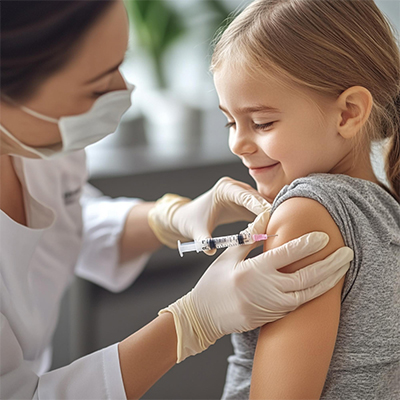
Some vaccines require more than one dose to build or maintain protection. Booster doses may also be recommended later because immunity can change over time.
Parents looking for infant immunization in manikonda can receive guidance about vaccines recommended during the early months of life and how they fit into the child's overall preventive healthcare plan.
VACCINATION DURING THE EARLY YEARS
The first few years involve several important immunisations. Vaccines may protect against illnesses affecting the lungs, brain, liver, intestines, and other parts of the body.
Vaccination should follow an appropriate schedule, while allowing for individual circumstances such as premature birth, medical conditions, previous vaccine reactions, or missed doses.
A child vaccination center in manikonda can help parents keep track of upcoming doses and discuss questions about vaccination before each visit.
UNDERSTANDING VACCINATION SCHEDULES
A vaccination schedule provides guidance about which vaccines should be given at particular ages. It is designed to provide protection when children are most likely to benefit from each vaccine.
Schedules can vary depending on the country's recommendations, vaccine availability, the child's medical history, and whether doses were missed or delayed. Parents should therefore maintain an accurate record of vaccinations rather than relying only on memory.
Following recommended childhood vaccination schedules helps families plan upcoming appointments and reduces the chance of missing important doses.
KEEPING A VACCINATION RECORD
A vaccination record is an important part of a child's medical history. Parents should keep it safe and bring it to healthcare appointments. It helps doctors determine which vaccines have already been given and whether additional doses are due.
An immunisation chart from 0 to 5 years can make it easier for parents to understand the general timing of vaccinations during early childhood. However, the exact schedule should always be confirmed with the child's healthcare professional.
VACCINATION FOR SCHOOL-AGE CHILDREN
Vaccination does not end after infancy. School-age children may require additional doses or booster vaccines to maintain protection against certain infections.
Children also spend considerable time around other children in classrooms, sports activities, and social settings. Maintaining recommended immunisation can help reduce the spread of vaccine-preventable illnesses.
Families seeking child vaccination in hyderabad can discuss the child's vaccination record and identify any upcoming or missed doses.
IMMUNISATION DURING ADOLESCENCE
Adolescence is another important stage for preventive healthcare. Some vaccines are recommended or given as booster doses during the teenage years. The exact recommendations depend on the child's previous vaccination history and current guidelines.
Parents and teenagers should understand why a particular vaccine is recommended rather than viewing vaccination simply as a routine appointment.
An adolescent immunization schedule can help families understand the vaccines that may be appropriate during the teenage years and when they may be due.
WHAT HAPPENS DURING A VACCINATION VISIT?
A vaccination appointment is usually straightforward. Before administering a vaccine, the healthcare professional may review the child's medical history, previous vaccinations, current health, and any known allergies or previous vaccine reactions.
Parents should inform the healthcare professional if the child has experienced a significant reaction to a previous vaccine or has a condition that may affect vaccination decisions.
After vaccination, children may experience temporary effects such as soreness at the injection site, mild fever, tiredness, or irritability. These reactions are generally short-lived, but parents should seek medical advice if they are concerned about unusual or severe symptoms.
CATCH-UP VACCINATION
Sometimes a child misses a scheduled vaccine because of illness, travel, relocation, unavailable records, or other circumstances. A missed dose does not necessarily mean the entire vaccination process has to start again.
A doctor can review the available records and determine an appropriate catch-up plan. Parents should avoid giving additional doses without professional guidance simply because they are unsure about previous vaccinations.
A reliable best vaccination & immunization centre in hyderabad can help families review records and understand the next steps when vaccinations have been delayed.
VACCINATION AND COMMON CHILDHOOD ILLNESSES
Parents sometimes postpone vaccination because their child has a minor illness. Whether vaccination should proceed depends on the child's symptoms and overall health. A mild illness does not always require vaccination to be delayed, but children who are significantly unwell may need individual assessment.
The healthcare professional can decide whether vaccination should proceed or be rescheduled based on the child's condition.
VACCINE SAFETY AND PARENT QUESTIONS
It is normal for parents to have questions before their child receives a vaccine. Understanding possible side effects, expected benefits, contraindications, and the reason for each vaccine can make the process more comfortable.
Vaccines undergo quality and safety evaluation, and healthcare professionals monitor children for reactions after vaccination. No medical intervention is completely free of risk, so vaccination decisions should be discussed with an appropriately qualified healthcare professional.
Parents should be especially cautious about information shared online and rely on trustworthy medical sources when making decisions about their child's immunisation.
SUPPORTING A POSITIVE VACCINATION EXPERIENCE
Parents can make vaccination visits easier by remaining calm, explaining the process in simple language, and bringing a favourite toy or comfort item for younger children. Older children may benefit from knowing what to expect without being unnecessarily frightened.
Useful preparation may include:
- Carrying the child's vaccination record to every appointment
- Informing the doctor about previous vaccine reactions or significant medical conditions
- Following the recommended schedule as closely as possible
- Asking what mild reactions may be expected after vaccination
- Knowing when to contact a healthcare professional after vaccination
A calm and reassuring approach can help children develop a more positive attitude toward future healthcare visits.
COMPREHENSIVE VACCINATION SUPPORT
Vaccination is one part of a child's broader preventive healthcare. Regular health assessments, nutrition, healthy sleep, physical activity, developmental monitoring, and appropriate infection prevention also contribute to overall wellbeing.
A dedicated children vaccination services in manikonda can help parents maintain vaccination records while providing an opportunity to discuss questions about upcoming doses and age-specific immunisation.
PERSONALISED GUIDANCE FOR EVERY CHILD
Every child has a different medical history. Some children may follow a routine schedule without difficulty, while others may need catch-up vaccination, additional monitoring, or special consideration because of their health history.
Professional guidance helps ensure that vaccination decisions are based on the child's individual circumstances rather than assumptions.
Families searching for a world-class child vaccination centre in hyderabad can benefit from a child-friendly setting where parents can discuss their concerns and receive clear information about immunisation.
BUILDING A HEALTHIER FUTURE
Keeping vaccinations up to date is an important responsibility in childhood healthcare. It protects the individual child and contributes to wider community protection by reducing opportunities for vaccine-preventable infections to spread.
Dr. Nayantara Reddy focuses on clear communication and age-appropriate preventive care, helping parents understand vaccination requirements and maintain an organised immunisation record.
Parents who are uncertain about a missed dose, upcoming vaccine, previous reaction, or their child's vaccination status can discuss these concerns during a consultation. A best pediatician in narsingi can also help families understand how immunisation fits into their child's broader health and preventive care needs.
Keep your child's vaccinations on track—book an immunisation consultation with Dr. Nayantara Reddy for personalised, age-appropriate vaccination guidance and preventive care.
Frequently Asked Questions (FAQs)
1. Can my child receive a vaccine if they have a mild cold?
A mild illness does not always prevent vaccination. The child's overall condition should be considered, so discuss the symptoms with the healthcare professional before the appointment.
2. What should I do if my child has missed a vaccine?
Do not restart the vaccination schedule on your own. Bring the available vaccination records to a healthcare professional, who can recommend an appropriate catch-up plan.
3. Are mild reactions after vaccination normal?
Some children may develop temporary soreness, mild fever, tiredness, or irritability. These usually settle on their own, but unusual or severe symptoms should be discussed with a healthcare professional.
4. Should vaccination records be kept after childhood?
Yes. Vaccination records can remain useful throughout life, particularly when planning travel, starting educational programmes, or determining whether certain booster doses are needed.
5. Can parents ask questions before vaccination?
Absolutely. Parents should feel comfortable asking about the vaccine, its purpose, expected reactions, precautions, and what to do after the appointment.