The first few weeks and months of a baby’s life are an important period of growth and adjustment. Newborns need careful attention because their bodies are still adapting to life outside the womb. Feeding, sleep, breathing, weight gain, temperature, skin changes, and other aspects of health can change quickly during this stage.
Neonatal and preventive care focuses on protecting a baby’s health through regular examinations, early identification of concerns, appropriate screening, vaccination guidance, nutrition support, and monitoring of growth and development.
Parents can consult a neonatologist in manikonda when they need specialised medical guidance for a newborn, particularly when there are concerns related to prematurity, feeding, jaundice, infections, breathing, or early development.
WHY NEWBORN CARE MATTERS
Newborn babies cannot communicate discomfort or illness in the way older children can. Changes such as poor feeding, excessive sleepiness, unusual crying, changes in breathing, or reduced urine output may sometimes be the first signs that a baby needs medical attention.
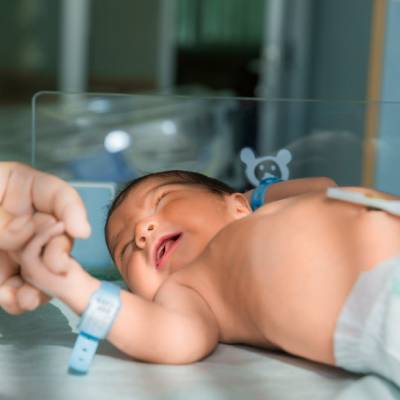
A newborn examination allows the doctor to assess the baby's general health and identify concerns that may not be obvious to parents. Early assessment can also provide reassurance when the baby's development and physical findings are appropriate.
A neonatologist in hyderabad can provide specialised care for newborns who require closer observation or have specific medical concerns after birth.
THE FIRST NEWBORN HEALTH ASSESSMENT
A newborn health assessment typically considers the baby's birth history, gestational age, birth weight, feeding pattern, urine and stool output, sleep, physical examination findings, and any concerns noticed by the parents.
The doctor may examine the baby's heart, lungs, abdomen, skin, eyes, reflexes, muscle tone, and other physical features. Weight and other growth measurements can also be followed over time.
Parents looking for a newborn doctor in narsingi can seek professional assessment when they have questions about feeding, weight gain, sleep, jaundice, crying, or other changes during the early weeks.
REGULAR HEALTH CHECKS FOR BABIES
Newborns benefit from follow-up even when they appear healthy. Early visits allow doctors to monitor growth, feeding, development, and general wellbeing. They also give parents an opportunity to discuss everyday concerns that commonly arise during infancy.
A baby's weight may naturally change during the first days after birth before gradually increasing. Continued monitoring helps determine whether feeding and growth are progressing appropriately.
A newborn health checkup clinic in manikonda can provide families with regular assessments and guidance throughout the early stages of infancy.
MONITORING GROWTH AND DEVELOPMENT
Growth and development are closely followed during infancy. Doctors monitor weight, length, and head circumference and compare the pattern over time rather than focusing on a single measurement.
Developmental monitoring also looks at age-appropriate skills such as movement, interaction, communication, hearing, vision, and social responses. Children develop at different rates, but persistent delays or loss of previously acquired skills should be assessed.
Newborn development monitoring in hyderabad can help parents understand their baby's developmental progress and identify concerns that may benefit from early evaluation or support.
CARE FOR PREMATURE BABIES
Babies born before 37 completed weeks of pregnancy are considered premature. Depending on their gestational age and health at birth, premature babies may need additional monitoring after leaving the hospital.
Premature infants can have different feeding, growth, temperature regulation, breathing, and developmental needs compared with babies born at term. Follow-up is therefore often more frequent and may continue for an extended period.
Premature baby care in manikonda focuses on monitoring the baby's individual needs while supporting steady growth, feeding, development, and overall health.
NEWBORN SCREENING
Newborn screening is an important part of preventive healthcare. Screening programmes vary depending on local practices and may be used to identify certain conditions before symptoms become obvious.
Screening can include assessments related to hearing, vision, metabolic conditions, and other health concerns depending on the baby's circumstances and recommended protocols.
Neonatal screening in narsingi can help parents understand which screening assessments may be appropriate for their newborn and why early identification can be valuable.
FEEDING AND NUTRITION SUPPORT
Feeding is one of the most important parts of newborn care. Breast milk provides important nutrients and immune-supporting components for infants, and breastfeeding is recommended when possible and appropriate.
Some babies may experience difficulties with latching, feeding frequency, vomiting, or gaining weight. Parents may need guidance on feeding techniques, feeding schedules, or when a feeding concern requires further evaluation.
An infant health checkup doctor in narsingi can assess feeding and growth concerns while considering the baby's age, birth history, and overall health.
PREVENTIVE CARE DURING INFANCY
Preventive healthcare aims to reduce health risks before problems become serious. Regular visits allow doctors to monitor growth, provide vaccination guidance, assess development, and discuss safety and nutrition.
Parents can also receive advice about sleep safety, hygiene, infection prevention, appropriate feeding practices, and creating a safe environment for a growing baby.
Preventive pediatric care in narsingi provides an opportunity to build healthy habits and maintain regular medical follow-up throughout infancy and early childhood.
UNDERSTANDING NEWBORN JAUNDICE
Jaundice is common in newborns and causes the skin and whites of the eyes to appear yellow because of increased bilirubin levels. In many babies, newborn jaundice is mild and resolves as the baby's body becomes better able to process bilirubin.
However, bilirubin levels can sometimes become too high and require medical assessment. The baby's age, feeding, clinical appearance, and bilirubin measurement help determine whether treatment is necessary.
Families concerned about newborn jaundice treatment in manikonda can seek medical assessment to determine whether monitoring or treatment is appropriate.
WHEN JAUNDICE NEEDS MEDICAL ATTENTION
Parents should not rely only on how yellow a baby appears. Medical evaluation may be recommended when jaundice develops very early, becomes more pronounced, lasts longer than expected, or is accompanied by poor feeding, unusual sleepiness, fever, or other concerning symptoms.
The doctor may recommend measuring bilirubin through an appropriate blood or skin-based assessment. The results are interpreted according to the baby's age and other clinical factors.
Neonatal jaundice doctors in hyderabad can help assess bilirubin-related concerns and determine whether observation, further testing, or treatment is needed.
MANAGING JAUNDICE SAFELY
When treatment is required, the approach depends on the bilirubin level, the baby's age, gestational age, and other risk factors. One commonly used treatment is placing the baby under specialised blue light that helps the body process bilirubin.
Phototherapy treatment is generally performed under medical supervision, with the baby's condition and bilirubin levels monitored as appropriate.
Parents should avoid relying on unproven home remedies for significant jaundice. If a newborn appears increasingly yellow, feeds poorly, becomes unusually difficult to wake, or develops other concerning symptoms, medical assessment should not be delayed.
IMPORTANT SIGNS PARENTS SHOULD WATCH FOR
Parents know their baby's usual behaviour best. Changes that are sudden or significant deserve attention, particularly during the newborn period.
Important concerns can include:
- Difficulty breathing, persistent rapid breathing, or changes in skin colour
- Poor feeding, repeated vomiting, or significantly reduced urine output
- Unusual sleepiness, difficulty waking, or a marked change in responsiveness
- Fever or unusually low temperature
- Increasing jaundice or other sudden changes in appearance
These signs do not always indicate a serious illness, but newborns with significant changes should be assessed promptly.
BUILDING A HEALTHY START
Good newborn care extends beyond treating illness. It includes supporting healthy feeding, safe sleep, appropriate immunisation, developmental progress, and regular medical follow-up.
Parents should feel comfortable discussing even small concerns with their child's doctor. Questions about crying, sleep, feeding, bowel movements, skin changes, or development can often be addressed during routine visits.
A preventive approach helps families understand what is normal, recognise warning signs, and seek medical attention when needed.
PERSONALISED CARE FOR EVERY BABY
Every newborn has individual needs. A baby born at term may require a different follow-up plan from a premature infant, while babies with feeding problems, jaundice, infections, or other medical concerns may need closer monitoring.
Dr. Nayantara Reddy provides newborn and infant care with an emphasis on careful assessment, clear communication, preventive health, and practical guidance for parents. The aim is to support healthy growth while identifying potential concerns as early as possible.
Give your newborn the best possible start with timely medical assessment, preventive care, and personalised guidance—book a consultation with Dr. Nayantara Reddy today.
Frequently Asked Questions (FAQs)
1. How soon should a newborn have a medical check after birth?
The timing depends on the baby's health, birth history, discharge plan, and individual needs. Babies with specific concerns may require earlier or more frequent follow-up.
2. Is newborn jaundice always dangerous?
No. Mild jaundice is common in newborns. However, very high bilirubin levels can be harmful, so significant or rapidly increasing jaundice should be assessed by a healthcare professional.
3. How often should my baby's growth be monitored?
Growth monitoring is usually performed during routine infant visits, with additional checks when there are concerns about feeding, weight gain, prematurity, or other health issues.
4. Do premature babies need extra follow-up?
Many premature babies require closer monitoring of growth, feeding, development, and other aspects of health. The exact follow-up schedule depends on gestational age and the baby's medical history.
5. What should parents do if a newborn is feeding poorly?
Poor feeding can have many causes. If a newborn is feeding significantly less than usual, repeatedly vomiting, becoming unusually sleepy, or producing fewer wet diapers, parents should seek medical advice promptly.