
The first few days, weeks, and years of a child's life are important for healthy growth and development. Newborns and young children have changing nutritional, physical, and emotional needs, and even small concerns can sometimes leave parents worried. Regular medical care helps parents understand these changes and provides an opportunity to identify health concerns early.
Pediatric and newborn care includes medical support from the time a baby is born through infancy and childhood. It covers routine health assessments, feeding and nutrition, growth monitoring, vaccinations, developmental checks, and treatment of common childhood illnesses.
At the practice of Dr. Nayantara, parents can receive age-appropriate guidance and medical care with an emphasis on the child's individual needs. The aim is to help parents feel informed and confident while supporting healthy childhood development.
CARE DURING THE NEWBORN PERIOD
The newborn period covers the first 28 days of life. During this time, a baby undergoes rapid changes while adapting to life outside the womb. Feeding patterns, body temperature, breathing, sleep, and weight can change quickly.
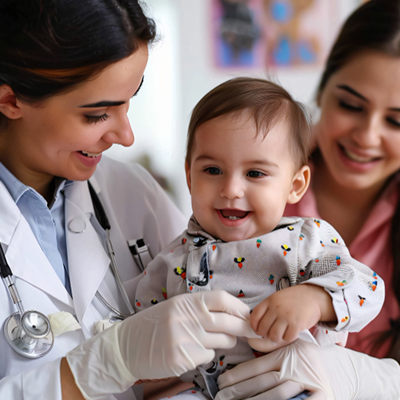
A newborn specialist in Manikonda can assess a baby's general health and help parents understand feeding, sleep, weight gain, jaundice, cord care, and other common newborn concerns.
Newborns need careful observation because they may not always show clear signs when they are becoming unwell. Poor feeding, unusual sleepiness, breathing difficulty, fever, repeated vomiting, or changes in skin colour may require prompt medical assessment.
THE FIRST HEALTH CHECK
A baby's early health assessment provides an opportunity to evaluate physical wellbeing and identify concerns that may need follow-up. The doctor may review birth history, feeding, urine and stool patterns, weight, temperature, breathing, and other important observations.
A newborn health checkup in manikonda can also help parents understand whether their baby is gaining weight appropriately and whether feeding is progressing as expected.
Depending on the baby's age and medical history, the doctor may recommend screening tests, vaccination, vitamin supplementation, or additional assessment. Premature babies and babies with certain medical concerns may require more frequent follow-up.
INFANT CARE AND DEVELOPMENT
Infancy is a period of rapid physical and developmental growth. Babies gradually develop better head control, movement, communication, feeding skills, and social interaction.
Good infant care in hyderabad involves more than treating illness. It includes monitoring growth, nutrition, immunization, sleep, development, and overall wellbeing.
During routine visits, parents can discuss concerns such as feeding difficulties, excessive crying, constipation, reflux, sleep problems, skin conditions, or developmental milestones. Regular visits also provide an opportunity to discuss safety and age-appropriate activities.
Every baby develops at a slightly different pace. However, significant delays or loss of previously acquired skills should be discussed with a pediatrician.
FEEDING AND NUTRITION
Nutrition has an important role in early growth. Breast milk is generally recommended for infants when possible, and feeding advice should be individualized according to the baby's health and the mother's circumstances.
Some babies may need additional feeding support because of prematurity, difficulty latching, medical conditions, or inadequate weight gain. The doctor can assess the situation and guide parents appropriately.
As babies grow, complementary foods are introduced at the appropriate age. Parents can receive guidance on food textures, portions, nutritional variety, and safe feeding practices.
If parents are looking for a neonatologist in hyderabad, they should consider a specialist who can provide appropriate medical assessment while also helping families understand everyday newborn care.
VACCINATION AND PREVENTIVE CARE
Vaccination protects children against several serious infectious diseases. Immunizations should be given according to the recommended schedule, with adjustments when medically necessary.
Preventive pediatric care also includes monitoring height, weight, head circumference, vision, hearing, oral health, and developmental progress.
A child healthcare clinic in manikonda can provide parents with a convenient setting for routine assessments as well as medical advice when a child develops common health problems.
Preventive care is valuable because a child may appear healthy even when a developing problem is not immediately obvious.
COMMON CHILDHOOD ILLNESSES
Children commonly experience infections and minor illnesses as their immune systems develop. Fever, cough, cold symptoms, sore throat, diarrhea, vomiting, ear pain, and skin rashes are frequent reasons for pediatric consultation.
Most childhood illnesses are manageable, but the severity and cause need to be considered. Parents should avoid giving medicines based solely on a previous prescription or another child's treatment.
A newborn specialist in narsingi can help assess babies who develop symptoms during the early months of life and determine whether routine care, testing, treatment, or hospital evaluation is needed.
WHEN A CHILD NEEDS URGENT ATTENTION
Parents should seek prompt medical care when a child appears significantly unwell or develops symptoms that may indicate a serious problem.
Important warning signs can include:
- Difficulty breathing, persistent rapid breathing, or bluish lips.
- A baby who is unusually difficult to wake or is not feeding properly.
- Seizures, severe dehydration, or repeated vomiting.
- Fever in a very young infant.
- A significant reduction in urine output or sudden deterioration in general condition.
The appropriate response depends on the child's age and symptoms. When parents are uncertain, contacting a healthcare professional is preferable to delaying assessment.
CARE FOR PREMATURE AND MEDICALLY FRAGILE BABIES
Babies born prematurely or with medical complications may require additional monitoring after birth. Their needs can include support with feeding, temperature control, breathing, weight gain, and infection prevention.
A new born care doctors in hyderabad service should be able to recognize when a newborn requires additional assessment and coordinate appropriate specialist care when necessary.
Some babies may require neonatal intensive care immediately after birth or during the early weeks of life. The level of support depends on gestational age, birth weight, breathing status, and other medical factors.
NEONATAL INTENSIVE CARE
A neonatal intensive care unit, or NICU, provides specialized monitoring and treatment for newborns who need more support than can be provided in a routine nursery.
Babies may require intensive care because of prematurity, breathing problems, infections, low birth weight, difficulty maintaining blood sugar or temperature, or other medical conditions.
Families looking for a new born care hospital in narsingi should understand the level of neonatal support available and whether the facility can provide appropriate escalation of care when necessary.
A nicu and picu hospital in manikonda may be required when a newborn needs continuous monitoring, respiratory support, intravenous treatment, or other specialized neonatal services.
CARE FOR SERIOUSLY ILL CHILDREN
Older infants and children can occasionally develop illnesses that require close observation or intensive treatment. A pediatric intensive care unit, or PICU, is designed to provide advanced monitoring and treatment for seriously ill children.
Conditions requiring intensive pediatric care can include severe infections, breathing problems, significant dehydration, serious injuries, or complications involving major organs.
The decision to admit a child to intensive care is based on the child's clinical condition and the level of support required.
NEWBORN AND INFANT FOLLOW-UP
Regular follow-up helps doctors track a baby's progress over time rather than looking at a single examination. Weight trends, feeding, development, sleep, and physical growth can all provide useful information.
A new born baby clinic can support parents through these early stages by providing routine assessments and guidance when concerns arise.
Parents should bring available birth records, vaccination information, previous medical reports, and details of medicines when attending appointments. This information helps the doctor understand the child's health history.
PERSONALIZED PEDIATRIC CARE
Parents often have questions that may seem small but are important to them. Concerns about crying, sleep, feeding, bowel movements, skin changes, or development deserve a clear and respectful response.
An infant cradle clinic in hitec city can provide a child-focused environment where parents can discuss early infancy concerns and receive guidance appropriate to the baby's age and development.
Pediatric care should also recognize the importance of the family environment. Parents need practical advice that they can understand and follow at home.
CHOOSING THE RIGHT PEDIATRIC CARE
Choosing a pediatric healthcare provider is an important decision because children require age-specific medical care. Parents may consider the doctor's qualifications, experience, communication style, availability for follow-up, and access to appropriate investigations or hospital support.
A pediatric doctor in Kondapur should provide care that combines preventive health monitoring with appropriate diagnosis and treatment when a child becomes unwell.
Parents should also feel comfortable asking questions and discussing concerns openly. Good communication helps families understand treatment instructions and recognize warning signs.
CARE UNDER DR. NAYANTARA REDDY
She provides pediatric and newborn-focused care with attention to the changing needs of children from the newborn period through childhood.
The practice focuses on preventive health, growth monitoring, newborn assessment, nutrition, vaccination guidance, developmental observation, and management of common childhood illnesses.
When a child's condition requires specialized investigation or hospital-level care, appropriate referral and coordination can be arranged based on the clinical situation.
The goal is to provide families with clear information, thoughtful medical assessment, and care that is appropriate for the child's age and individual needs.
SUPPORTING YOUR CHILD'S HEALTHY FUTURE
Good pediatric care is not limited to treating illness. Regular health assessments, adequate nutrition, vaccination, developmental monitoring, safe surroundings, and timely medical attention all contribute to a child's wellbeing.
Parents should never hesitate to seek advice when something about their baby's or child's health seems unusual. Early evaluation can help distinguish a normal developmental variation from a concern that requires attention.
Book a consultation with Dr. Nayantara Reddy today for personalized pediatric and newborn care focused on your child's health, growth, development, and well-being.
Frequently Asked Questions (FAQs)
1. When should a newborn have the first medical check?
A newborn should receive an early health assessment according to the advice given after delivery. Babies with feeding problems, prematurity, jaundice, or other concerns may need earlier or more frequent review.
2. How often should my baby visit a pediatrician?
The schedule depends on the baby's age, health, growth, vaccination needs, and any existing medical concerns. Your pediatrician can recommend an appropriate follow-up schedule.
3. What signs in a newborn should parents take seriously?
Poor feeding, difficulty breathing, unusual sleepiness, fever, repeated vomiting, seizures, significant colour changes, or reduced urine output require prompt medical attention.
4. Should a healthy child still have routine checkups?
Yes. Routine visits allow doctors to monitor growth, development, vaccination status, nutrition, and other aspects of preventive health even when the child appears healthy.
5. What should I bring to my child's appointment?
Parents can bring vaccination records, previous medical reports, current medication details, birth information when relevant, and a list of questions or concerns they want to discuss.