
Children commonly experience coughs, colds, fever, throat infections, and other respiratory problems. Most are temporary and improve with appropriate care, but repeated symptoms, breathing difficulty, persistent cough, or infections that do not settle may require a closer medical assessment.
A child’s respiratory system is still developing, and younger children may not always be able to clearly describe breathing discomfort or other symptoms. Early evaluation can help identify the likely cause and determine whether the child needs simple supportive care, medication, investigations, or specialist follow-up.
Pediatric respiratory care in Manikonda focuses on understanding a child's symptoms, identifying contributing factors, and providing age-appropriate medical guidance for respiratory and infectious conditions.
UNDERSTANDING CHILDHOOD RESPIRATORY PROBLEMS
Respiratory illnesses can affect different parts of the breathing system, including the nose, throat, windpipe, and lungs. Children may develop infections from viruses or bacteria, while some may have asthma, allergies, or other conditions that make breathing symptoms more frequent.
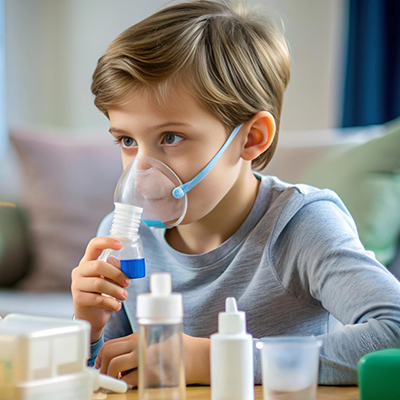
A cough does not always mean that a child has a lung infection. Similarly, fever with a cough may occur with a viral illness and may not require antibiotics. Understanding the pattern and severity of symptoms is important before deciding on treatment.
Families looking for best pediatric pulmonologists in Manikonda may benefit from an assessment when symptoms are persistent, recurrent, unusually severe, or associated with breathing difficulties.
COMMON RESPIRATORY CONDITIONS IN CHILDREN
Children can experience respiratory symptoms at different stages of growth. Infants may have difficulty feeding when their nose is blocked, while older children may complain of chest discomfort, wheezing, or shortness of breath.
Common concerns include:
- Colds, viral respiratory infections, and persistent cough
- Wheezing and asthma
- Bronchitis and other lower respiratory infections
- Pneumonia and other lung infections
- Allergic nasal and respiratory symptoms
- Recurrent respiratory infections
- Breathing problems associated with environmental irritants
The same symptom can have different causes in different children. A persistent cough, for example, may be related to infection, asthma, allergies, post-nasal drainage, or other conditions. A careful history and examination help guide further evaluation.
Parents seeking can consider professional
Parents seeking can consider professional assessment when respiratory symptoms repeatedly interfere with a child's sleep, school attendance, activity, feeding, or everyday comfort.
CARING FOR CHILDHOOD INFECTIONS
Infections are among the most common reasons children need medical attention. Viral infections account for many childhood respiratory illnesses, while some infections may be caused by bacteria or other organisms.
Treatment depends on the cause and severity of the illness. Antibiotics work against certain bacterial infections but do not treat viral infections. Using antibiotics when they are not required may expose a child to unnecessary side effects and contributes to antibiotic resistance.
Pediatric infection care in Manikonda involves assessing symptoms carefully and selecting appropriate treatment based on the child's age, examination findings, and overall condition.
WHEN A COUGH NEEDS MEDICAL ATTENTION
Coughing is a natural protective response that helps clear mucus and irritants from the airways. A cough associated with a common cold often improves as the infection settles. However, certain patterns deserve medical attention.
Parents should seek medical evaluation when a child has a cough that is persistent, repeatedly returns, interferes with sleep, occurs with wheezing, or is accompanied by breathing difficulty. Very young children may require particular attention because their symptoms can change quickly.
A pediatric respiratory specialist in Hyderabad can assess recurring or unexplained respiratory symptoms and determine whether further evaluation is appropriate.
ASTHMA AND RECURRENT WHEEZING
Asthma is a condition in which the airways become sensitive and narrow during episodes, making breathing more difficult. Children with asthma may experience wheezing, coughing, chest tightness, or shortness of breath. Symptoms can be triggered by respiratory infections, allergens, exercise, weather changes, smoke, or other factors.
Not every episode of wheezing means a child has asthma. A doctor may consider the child's age, symptom pattern, medical history, and response to treatment when evaluating recurrent breathing symptoms.
Appropriate pediatric pulmonology care in Hyderabad can help families understand possible triggers, recognise worsening symptoms, and follow an individualised management plan.
RECOGNISING CHILDHOOD INFECTIONS
Children can develop infections affecting the upper or lower respiratory tract. A simple upper respiratory infection may involve a runny nose, sore throat, cough, and fever. In some cases, infection can extend deeper into the lungs and cause pneumonia.
Parents should pay attention not only to temperature but also to the child's general behaviour, fluid intake, breathing, activity level, and ability to feed. A child who appears unusually sleepy, struggles to breathe, or cannot maintain adequate fluid intake may require prompt medical attention.
A child infection specialist in Manikonda can help assess recurrent, persistent, or complicated infections and determine whether additional investigation is needed.
RESPIRATORY CARE FOR INFANTS
Infants require special attention because they have smaller airways and cannot communicate symptoms clearly. Nasal congestion can interfere with feeding and sleep, while respiratory infections may sometimes progress more quickly in very young babies.
Parents should monitor feeding, wet diapers, breathing pattern, alertness, and temperature when an infant is unwell. Any significant breathing difficulty or marked change in behaviour should be assessed promptly.
A child respiratory hospital in Narsingi can provide appropriate medical evaluation when an infant or child develops concerning respiratory symptoms.
SUPPORTING CHILDREN WITH RECURRENT SYMPTOMS
Some children appear to develop one respiratory infection after another, particularly during periods when they are exposed to other children at school or daycare. Frequent infections do not automatically mean that a child has a serious underlying condition.
However, repeated pneumonia, prolonged cough, poor growth, persistent wheezing, or unusually severe infections may require further evaluation. The child's medical history and growth pattern can provide important clues.
A child respiratory doctor in Narsingi can assess recurring symptoms and help determine whether they are part of common childhood illness or require additional evaluation.
Parents looking for an infant cold and cough doctor in Manikonda can seek timely medical evaluation to understand symptoms, manage discomfort, and ensure appropriate care based on the baby’s age and condition.
RESPIRATORY EVALUATION AND DIAGNOSIS
A respiratory assessment begins with a detailed discussion of symptoms. The doctor may ask when the problem started, whether symptoms occur during sleep or activity, whether there is fever or wheezing, and whether similar episodes have occurred previously.
Depending on the situation, examination may be sufficient, while some children may require investigations such as blood tests, chest imaging, or lung function testing when age-appropriate. Tests are selected according to the clinical situation rather than performed routinely for every cough or cold.
A dedicated children lung clinic in Manikonda can help families address persistent respiratory symptoms through structured evaluation and follow-up.
TREATING RESPIRATORY ILLNESSES APPROPRIATELY
Treatment depends on the underlying cause. Supportive measures such as adequate fluids, rest, appropriate nutrition, and nasal care may be sufficient for many mild viral illnesses. Other conditions may require prescribed medicines or closer monitoring.
Parents should avoid giving children adult medicines or using leftover prescriptions without medical advice. Cough and cold medicines are also not suitable for every age group, particularly very young children.
Families looking for best paediatric chest doctors in Hyderabad can seek professional guidance when symptoms are persistent, recurrent, or difficult to understand.
ASTHMA AND LONG-TERM RESPIRATORY SUPPORT
Children with asthma may need an ongoing management plan rather than treatment only during an acute episode. Understanding prescribed medicines, recognising warning signs, and identifying individual triggers can help families manage the condition more effectively.
Parents should also understand how to respond when symptoms suddenly worsen. A written action plan, where appropriate, can provide clear instructions about what to do at different stages of symptoms.
A pediatric asthma doctor in Manikonda can help families understand asthma symptoms and develop an appropriate approach to long-term respiratory care.
BRONCHITIS AND CHEST INFECTIONS
Bronchitis involves inflammation of the larger airways and commonly occurs during respiratory infections. In children, many cases are related to viruses and improve with supportive care.
Treatment should be based on the child's symptoms and clinical assessment. Antibiotics are not automatically needed for every episode of bronchitis. Persistent symptoms, breathing difficulty, high fever, or a child who is becoming increasingly unwell should prompt medical review.
For families concerned about pediatric bronchitis treatment in Hyderabad, appropriate assessment can help distinguish bronchitis from asthma, pneumonia, or other conditions with similar symptoms.
PNEUMONIA AND MORE SERIOUS INFECTIONS
Pneumonia is an infection affecting the lung tissue. It can be caused by different organisms and may produce fever, cough, rapid breathing, breathing difficulty, reduced appetite, or unusual tiredness.
Very young infants can sometimes show less obvious symptoms. Poor feeding, unusual sleepiness, changes in breathing, or a significant change in behaviour should not be ignored.
Child respiratory infection treatment in Hyderabad should be guided by the child's age, symptoms, examination findings, and suspected cause.
Newborns require particularly careful assessment when pneumonia or another serious infection is suspected. Neonatal pneumonia treatment in Manikonda requires prompt medical evaluation because newborns can become seriously unwell with respiratory infections.
WHEN TO SEEK URGENT CARE
Parents should seek urgent medical attention when a child has severe breathing difficulty, bluish or grey lips, significant chest retractions, unusual drowsiness, inability to drink or feed, or a rapid deterioration in condition.
A child with a persistent high fever, worsening cough, repeated vomiting, or signs of dehydration may also need prompt assessment. The severity of symptoms matters more than the presence of a cough alone.
For families seeking a child lung infection treatment doctor in Manikonda, timely evaluation can help determine the appropriate level of care and whether further investigations are necessary.
A CHILD-CENTRED APPROACH TO RESPIRATORY HEALTH
Respiratory and infectious illnesses can be worrying for parents, particularly when symptoms keep returning or a child has difficulty breathing. Good care begins with understanding the individual child rather than treating every cough, fever, or cold in the same way.
Dr. Nayantara Reddy focuses on age-appropriate assessment, clear communication, and practical guidance for parents. The goal is to identify the likely cause of symptoms, provide appropriate treatment, and help families understand when follow-up or urgent care is needed.
If your child has persistent cough, recurrent infections, wheezing, breathing difficulty, or other respiratory concerns, schedule a consultation for personalised respiratory and infection care.
Frequently Asked Questions (FAQs)
1. How long does a child's cough usually last?
A cough following a viral infection can sometimes continue after other symptoms improve. However, a persistent, worsening, or recurrent cough should be assessed by a doctor, especially if it affects sleep, activity, or breathing.
2. Does every child with a fever and cough need antibiotics?
No. Many childhood respiratory infections are caused by viruses, against which antibiotics do not work. The need for antibiotics depends on the suspected cause and clinical assessment.
3. When should wheezing in a child be evaluated?
Wheezing should be assessed when it is new, recurrent, severe, associated with breathing difficulty, or affecting sleep and activity. Repeated episodes may require evaluation for asthma or other respiratory conditions.
4. How can parents help a child recover from a mild respiratory infection?
Adequate fluids, rest, appropriate nutrition, and comfort measures can support recovery. Parents should follow age-appropriate medical advice and monitor the child's breathing, hydration, and general condition.
5. When is a respiratory illness an emergency?
Severe breathing difficulty, bluish lips or face, marked drowsiness, inability to feed or drink, or rapidly worsening symptoms require urgent medical attention.